What to Work Out Before Anyone Quotes a Covered Deck
A more accurate quote starts with a homeowner answering a handful of questions no contractor can answer standing alone.
September 21, 2026 · 4 min read
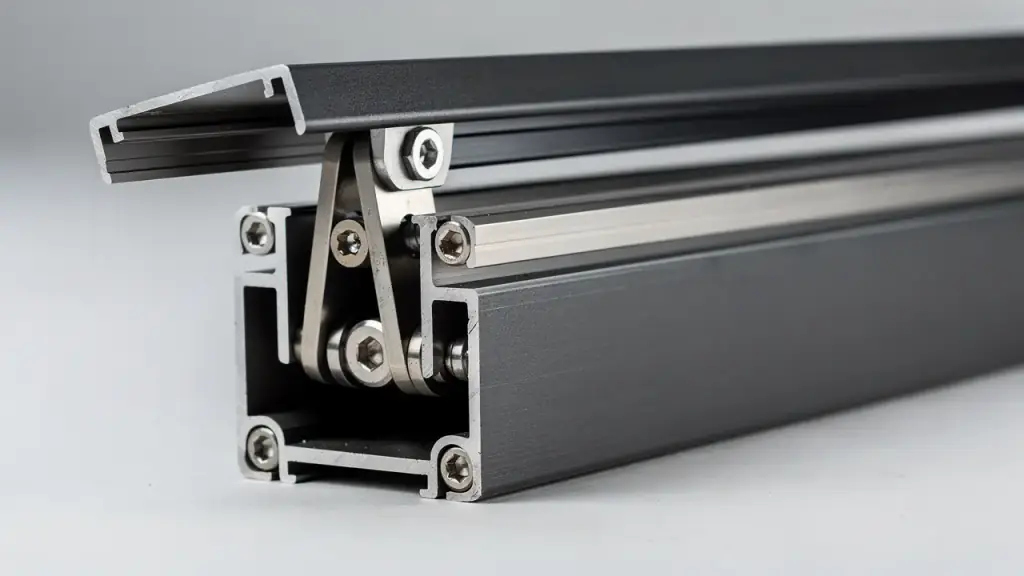
A covered deck quote is really an answer to a set of questions, and the quote is only as good as the answers underneath it. Some of those answers are on paper somewhere, in a plat map or a builder's plan. Most of them are only visible from actually standing on the deck at different times of day, which is the one piece of homework no contractor can do without a homeowner's help.
Where the evening sun actually comes from
Stand on the deck at six or seven in the evening in July and notice where the light is coming from, not where the sun sits at noon. Evening sun travels low and sideways, and it's the sun that matters most for dinner, not the sun at the hour nobody is outside. A structure specified around noon shade while ignoring evening sun is one of the most common reasons a finished space still turns uncomfortable at exactly the hour it should be busiest.
How big the usable area really is
Not the whole deck, the part of it that will actually hold furniture. A table for six, a couple of chairs near the rail, room to walk between them without turning sideways. Measuring that honestly, rather than assuming a new roof should simply match the deck's existing footprint, is what keeps a finished structure from either crowding a small space or leaving a section of it doing nothing at all.
Where the water goes when the roof is closed
A louvered roof closed flat sheds a real amount of water in a hard rain, and that water has to land somewhere on purpose. Toward a downspout, away from the path people actually walk, clear of a door that gets opened mid-storm. This is a structural decision made once, at the framing stage, and it's far harder to correct after the posts are set than before them.
Where people actually sit
Not where furniture sits right now, where people gravitate to when there's a real choice. Close to the house or out toward the yard. Facing a view or facing each other. Lighting, heat and fan placement all follow from this, and guessing at it from a furniture catalog photo instead of watching how a family actually uses their own deck produces exactly the mismatch it sounds like: a heater aimed at a spot nobody sits, a fixture hung over an empty corner.
What's already there that affects the plan
An existing deck comes with conditions that shape what can go over it: the height of the ledger board where the house wall meets the deck, whether a door or a window swings outward into the space a post might otherwise occupy, and whether the current decking and framing can actually carry a new structure or whether that part of the project starts from the ground up. None of this is something a homeowner needs to diagnose precisely. It's something worth noticing and mentioning early, because a plan built without knowing about a swinging door or a low window sill tends to get redrawn once somebody actually measures on site.
Whether screens, lighting, fans or heat matter to how you'd use it
- If bugs are the reason the deck empties out by dusk in August, screens matter more than almost anything else on this list.
- If the space gets used after dark at all, lighting built into the structure changes the answer, not a lamp dragged out from the kitchen.
- If August afternoons run still and airless, a fan matters as much as the roof itself.
- If the goal is stretching the season past Labor Day, heat is the piece that actually does that, more than any amount of shade or screening alone.
It helps to answer these honestly rather than optimistically. A household that has never once eaten dinner outside past eight in the evening, and has no real interest in starting, doesn't need lighting sized for a space that gets used every night through October. A household that already fights bugs on the patio every August probably needs screens more than any other single piece of the system. There's no penalty for saying a feature doesn't matter to how the space will actually get used. It just narrows the plan down to what will genuinely earn its place in the structure.
Working through these questions before a first conversation, even roughly, tends to produce a far more accurate first quote than starting from a catalog photo and working backward. Mammoth Outdoor Living walks through this same list with every homeowner who calls (231) 631-3476, because a structure specified around guesses instead of how a family actually uses their own deck is the single biggest reason a finished project still disappoints somebody.
Mammoth Outdoor Living, (231) 631-3476
Call (231) 631-3476More articles
The Ten-Month Problem With Every Deck in Northern Michigan
Northern Michigan gives a deck about ten good weeks a year by default, and every piece of an outdoor room exists to push past that.
Fixed Pergola, Solid Roof, or Louvered: What Each One Actually Gives You
There's no single right roof for a covered deck, only the one that matches how a specific yard actually gets used.